










 (1)
(1) (3)
(3) (2)
(2)


2013
Fixtures
All this year's
RBS 6 Nations Fixtures
Convert to Martini in
The Morning by clicking below. They even mention us!   |
 |
||||||||||||||||||||||||||||||||||||||||||||||||||||||||||||||||||||||||||||||||||||||||||||||||||||||||||||||||||||||||||||||||||||||||||||||||||||||||||||||||||||||||||||||||||||||||||||||||||||||||||||||||||||||||||||||||||||||||||||||||||||||||||||||||||||||||||||||||||||||||||||||||||||||||||
   RUGBY
 
|
||||||||||||||||||||||||||||||||||||||||||||||||||||||||||||||||||||||||||||||||||||||||||||||||||||||||||||||||||||||||||||||||||||||||||||||||||||||||||||||||||||||||||||||||||||||||||||||||||||||||||||||||||||||||||||||||||||||||||||||||||||||||||||||||||||||||||||||||||||||||||||||||||||||||||
DATE A
RUGBY PLAYER |
||||||||||||||||||||||||||||||||||||||||||||||||||||||||||||||||||||||||||||||||||||||||||||||||||||||||||||||||||||||||||||||||||||||||||||||||||||||||||||||||||||||||||||||||||||||||||||||||||||||||||||||||||||||||||||||||||||||||||||||||||||||||||||||||||||||||||||||||||||||||||||||||||||||||||
|
 |
||||||||||||||||||||||||||||||||||||||||||||||||||||||||||||||||||||||||||||||||||||||||||||||||||||||||||||||||||||||||||||||||||||||||||||||||||||||||||||||||||||||||||||||||||||||||||||||||||||||||||||||||||||||||||||||||||||||||||||||||||||||||||||||||||||||||||||||||||||||||||||||||||||||||||
|
|
 Click for Wessex Index |

| Team-
Click On Name to Read about Them in Full |
Picture
Of Ground |
Address |
Data |
|||||||||||||||||||||||||||||||||||||||||||||||||||||||||||||||||||||||||||||||||||||||||||||||||||||||||||||||||||||||||||||||||||||||||||||||||||||||||||||||||||||||||||||||||||||||||||||||||||||||||||
  Bath Bath
Coach: Steve Meehan Captain: Michael Claassens Established in 1865, Bath has been at the
forefront of Rugby Union’s evolution in this
country. Bath Rugby (also known as just Bath) is an
English professional rugby union club that is based
in the city of Bath. The club has experienced
major success, having in the past won England's
domestic competition, the Anglo-Welsh Cup (as the
John Player and Pilkington Cup), as well as the
Heineken Cup.
Founded in 1865, Bath Football Club is one of the oldest and most successful clubs in existence. They play at the Recreation Ground, also known as the Rec, in the City of Bath. Their CEO is Nick Blofeld (former head of Epsom race course). Not only have we seen the standard of club rugby continue to rise in England, but also all Home Union international sides have benefited from the talent that has pulled on the Bath shirt and the men who nurtured them. |
 |
Recreation Ground Spring Gardens Bath BA2 6PW Capacity: 11,700 |
Tel: 01225 325200 Fax: 01225 325201 Website Buy Merchandise Buy Tickets Ticket Hotline: 0871 721 1865 |
|||||||||||||||||||||||||||||||||||||||||||||||||||||||||||||||||||||||||||||||||||||||||||||||||||||||||||||||||||||||||||||||||||||||||||||||||||||||||||||||||||||||||||||||||||||||||||||||||||||||||||
  Gloucester GloucesterCoach: Bryan
Redpath Captain: Mike Tindall/Gareth Delve
The Club was started in 1873, a recent year in ordinary reckoning but a very long time ago in the history of football. Mr Francis Hartley, an ex-captain of the Flamingoes, one of the best London teams of that day, was mainly instrumental in starting the game, and he got up a scratch team to play against the College school which 25 years ago was in a flourishing condition.Curiously enough that match was played on the present Kingsholm ground, though it was then a playing field for the college boys. The match was considered such a success that games were arranged with Hereford and Worcester but Mr Hartley and his colleagues were ignominiously defeated.The devotees of the game, however, were not daunted by these severe thrashings, and steps were taken to start a club. Messrs Hartley, H.J.Boughton (now President of the County Union) W.A.Boughton, E.T.Garden (the present Clerk of the Peace for the County) and Riddiford were the moving spirits in the movement and after a couple of meetings the Club was successfully launched .The club has no official nickname but are often referred to as the 'Cherry and Whites' by supporters and the media in reference to the traditional hooped shirts worn by the team. Gloucester Rugby's fiercest rivals are Bath, Worcester and Bristol with matches between the four sides being referred to as west country derbies. |
 |
Gloucester
RFC, Kingsholm Stadium, Kingsholm Road, Gloucester, GL1 3AX Capacity: 16,500 |
Tel: 0871 8718781 Fax: 01452 383321 Website Buy Merchandise Buy Tickets Ticket Hotline: 0871 871 8781 |
|||||||||||||||||||||||||||||||||||||||||||||||||||||||||||||||||||||||||||||||||||||||||||||||||||||||||||||||||||||||||||||||||||||||||||||||||||||||||||||||||||||||||||||||||||||||||||||||||||||||||||
  Harlequins HarlequinsCoach:
John
Kingston
Captain: Will Skinner
Mascot: Harley
and Charley BearThe Harlequin Football Club was
founded in 1866 (although the first recorded game
was not until 1867) as Hampstead Football Club and
renamed in 1870.An offshoot of this was that there
was a split in the membership of the Hampstead
Football Club and the half that did not form the
Harlequins went off and formed a club known as the
Wasps. For our first 40 years, we were very nomadic
in our existence and played at a total of 15 venues.
Since 1909, we have only played at three! In 1906,
Quins were invited by the Rugby Football Union to
use the new national stadium in Twickenham. In 1963
we moved to the Twickenham Stoop . The club
have won the Rugby Football Union Clubs knockout
competition on two occasions. The John Player Cup in
1988 and Pilkington Cup in 1991. In addition they
played in the finals of 1992, 1993 and 2001. Quins
became the first British side to win the European
Shield in 2001, defeating Narbone 42-33 in the
final. They then became the first team to win
the tournament twice; defeating Montferrand 27-26 in
the final of the renamed Parker Pen Challenge Cup on
22nd May 2004.
|
 |
Twickenham
Stoop
Stadium
Langhorn Drive Twickenham Middlesex Capacity: 14,816 |
Tel: 020 8410 6000 Fax: 020 8410 6001 Website Buy Merchandise Buy Tickets Ticket Hotline: 0871 527 1315 |
|||||||||||||||||||||||||||||||||||||||||||||||||||||||||||||||||||||||||||||||||||||||||||||||||||||||||||||||||||||||||||||||||||||||||||||||||||||||||||||||||||||||||||||||||||||||||||||||||||||||||||
  Leeds
Carnegie Leeds
CarnegieCoach: Andy Key Captain:
Marco Wentzel
Mascot: Terry The Terrier
Leeds RUFC
was originally formed in 1992 by a merger of
Roundhay and Headingley. In turn Leeds RUFC became
Leeds Tykes after the club was bought by Paul
Caddick and became part of Leeds Rugby Limited,
the world's first dual code rugby partnership
which saw one company controlling and running a
professional teams in Rugby League (Leeds Rhinos)
and Rugby Union (Leeds Tykes).
However, following the Championship winning campaign of 2006-07, it was announced that Leeds Metropolitan University had entered into a joint venture with the club and taken a majority stake in Leeds Tykes, with the club renamed Leeds Carnegie for their return to the Guinness Premiership. |
 |
Headingley
Carnegie Stadium St Michael's Lane Headingley Leeds LS6 3BR Capacity: 20,500 |
Tel: 08450 700881 Fax: 08450 70082 Website Buy Merchandise Buy Tickets Ticket Hotline: 08700 60 60 50 |
|||||||||||||||||||||||||||||||||||||||||||||||||||||||||||||||||||||||||||||||||||||||||||||||||||||||||||||||||||||||||||||||||||||||||||||||||||||||||||||||||||||||||||||||||||||||||||||||||||||||||||
  Leicester Tigers Leicester TigersCoach: Richard Cockerill Captain: Geordan Murphy Mascot: Leicester Tigers Founded
in 1880, Leicester Football Club, or
Leicester Tigers as they are more
commonly known, have gone on to become
one of the most successful and
well-known rugby clubs in the
world. The
club was formed in August 1880 at a
meeting in the George Hotel, Leicester
and was an amalgamation of three clubs:
Leicester Societies AFC, Leicester
Amateur FC and Leicester Alert.
Leicester Football Club played their
first game that October against Moseley
at the Belgrave Cricket and Cycle Ground
in their original club colours of
black. It was towards the end of
the 1970s that Tigers really began to
grow. At the start of the decade the
club had just 600-700 members and gates
less of than 1,000. By end of the '70s,
Tigers had reached their first cup final
and the club was on its way towards a
substantial period of growth. Supporters
and players alike attributed this change
in attitude to the presence of Chalkie
White, who came to Leicester in 1968. He
was a very forward thinking coach with
high standards in terms of fitness and
tactical awreness. His unique style of
coaching brought the team success on the
pitch and with that success came an
increase in supporter numbers. The
70s was a fantastic era for the famous
Barbarians fixture where, in contrast
with the usual 750-2000 spectators, the
team played in front of a packed house
at Welford Road. In the 1980s, the club
still enjoyed the benefits of amateur
rugby with nights away and Easter tours,
but off the pitch they were taking their
first steps towards corporate
sponsorship. The turn of the century saw
an impressive run of success for
Leicester Tigers as they took the
Premiership title for four years in a
row from 1998-2002 and became the first
team to win the European Cup in
successive seasons.
|
 |
Welford
Road Aylestone Road Leicester LE2 7TR Capacity: 24,000 |
Tel: 0116 254 1607 Fax: 0116 285 4766 Website Buy Merchandise Buy Tickets Ticket Hotline: 08701 28 34 30 |
|||||||||||||||||||||||||||||||||||||||||||||||||||||||||||||||||||||||||||||||||||||||||||||||||||||||||||||||||||||||||||||||||||||||||||||||||||||||||||||||||||||||||||||||||||||||||||||||||||||||||||
  London Irish London IrishCoach: Tony Booth Captain: Bob Casey Mascot: Digger the Wolfhound As
the 19th century drew to a close there
was a consensus of opinion on both sides
of the Irish Sea that a sporting club
for Irishmen in London was badly needed.
Part of the inspiration for this was the
example of the exiles from the other
home countries, London Scottish had been
formed in 1878 and London Welsh seven
years later in 1895. These clubs offered
their countrymen a home away from home
in London, a place to meet and relax
while employment or education or other
reasons took them away from their home
country. So
it was in 1898 that a group of Irishmen
came together to form their own club,
the London Irish Rugby Football Club.
The founding fathers were an exceptional
group of powerful personalities
embracing politicians, lawyers and
businessmen united by a sense of
Irishness and passion for rugby. From
the beginning London Irish was to
provide a welcoming "home" and
hospitable meeting place for all Irish
people, regardless of creed or politics.
The 1990s were a period of great change
for rugby throughout the world. London
Irish appointed Clive Woodward as Coach
in 1995 and he was to play an important
role in ensuring the club was positioned
to stay among the upper echelons of the
game when it went professional in August
1996. Encouraged by its success in
making Madejski Stadium a ‘home from
home’, the club entered into an
agreement with Reading FC in 2008 that
will see London Irish play its home
matches at the stadium until 2025.
|
 |
Madejski
Stadium Junction 11, M4 Reading RG2 0FL Capacity: 24,105 |
Tel: 01932 783034 Fax: 1932784462 Website Buy Merchandise Buy Tickets Ticket Hotline: 0870 999 1871 |
|||||||||||||||||||||||||||||||||||||||||||||||||||||||||||||||||||||||||||||||||||||||||||||||||||||||||||||||||||||||||||||||||||||||||||||||||||||||||||||||||||||||||||||||||||||||||||||||||||||||||||
  London Wasps London WaspsCoach: Tony Hanks Captain: Paul Rees Mascot: Sting Wasps
RUFC was originally formed in 1867 at
the now defunct Eton and Middlesex
Tavern in North London, before the
advent of the Rugby Football Union as an
administrative body. The Club's
first home was in Finchley Road, North
London although subsequent years saw
grounds being rented in various parts of
London. In 1923 Wasps moved to their
previous home of Sudbury, eventually
buying the ground outright. Although the
team currently grace the Adams Park
Stadium, High Wycombe, on home
matchdays, the Sudbury clubhouse still
exists and Sudbury is still considered
the Club's spiritual home by diehard
fans. The history of Wasps is a long and
proud one and if next season is anything
like the past few years, the loyal fans
of Wasps are in for some great
times. London Wasps is certainly a
Club and Team to be proud of and we look
forward to this Rugby World Cup year to
see our stars set the world alight.
|
 |
Adams
Park Hillbottom Rd High Wycombe HP12 4HJ Capacity: 10,516 |
Tel: 020 89938298 Fax: 020 89932621 Website Buy Merchandise Buy Tickets Ticket Hotline: 0870 414 15 15 |
|||||||||||||||||||||||||||||||||||||||||||||||||||||||||||||||||||||||||||||||||||||||||||||||||||||||||||||||||||||||||||||||||||||||||||||||||||||||||||||||||||||||||||||||||||||||||||||||||||||||||||
  Newcastle Falcons Newcastle FalconsCoach: Steve Bates Captain: Carl Hayman Mascot: Flash the Falcon The
Newcastle Falcons story dates back to
1877, when a group of old boys from
Durham School met in a private house in
Gosforth to discuss the formation of a
new rugby club in the area. From there,
the Gosforth Football Club was born,
with its first game taking place in
November of that year. Maintaining its
links with Durham School, Gosforth
played in the school’s colours of green
and white hoops, right through until the
1990s. The 1996/7 season saw the first
under the current name of Newcastle
Falcons, and the club also changed its
home colours to black and white. That
year saw the team rise through the
second tier of English club rugby and
clinch promotion to the Premiership,
scoring masses of points on the
way. So, after more than a
century-and-a-quarter of existence, it
is clear that the history of Newcastle
Falcons – under whichever name and at
whichever ground – has been one of great
persistence and resilience, under-pinned
by the dedication of those charged with
its upkeep, and its loyal and growing
support base.
|
 |
Kingston
Park Brunton Road Kenton Bank Foot Newcastle-upon-Tyne NE13 8AF Capacity: 10,000 |
Tel: 0191 214 5588 Fax: 0191 2715213 Website Buy Merchandise Buy Tickets Ticket Hotline: 0871 226 60 60 |
|||||||||||||||||||||||||||||||||||||||||||||||||||||||||||||||||||||||||||||||||||||||||||||||||||||||||||||||||||||||||||||||||||||||||||||||||||||||||||||||||||||||||||||||||||||||||||||||||||||||||||
  Northampton
Saints Northampton
SaintsCoach: Jim Mallinder Captain: Dylan Schofield Mascot: Bernie the St. Bernard The
history
of Northampton Rugby Football Club goes
back to 1880. A local clergyman, the
Reverend Samuel Wathen Wigg, was
credited with starting the Saints. He
formed a rugby team from something
called the church improvement class as a
way for some high-spirited boys to let
off steam. Franklin’s Gardens was
formerly a pleasure gardens and small
zoo. In the 2007/8 season, the team
played in England's second tier,
National Division One, but has returned
to the Guinness Premiership for the
2008/9 season, having clinched the ND1
championship with their victory over
Exeter Chiefs on March 22, 2008.
The Northampton Saints were formed in 1880. The club won their first - and only - major trophy when they defeated Munster in the 1999-2000 Heineken Cup final. The Saints are back where they belong. But the hard work starts now... |
 |
Franklin
Gardens Weedon Road Northampton NN5 5BG Capacity: 13,591 |
Tel: 01604 599110 Fax: 01604 751543 Website Buy Merchandise Buy Tickets Ticket Hotline: 01604 581000 |
|||||||||||||||||||||||||||||||||||||||||||||||||||||||||||||||||||||||||||||||||||||||||||||||||||||||||||||||||||||||||||||||||||||||||||||||||||||||||||||||||||||||||||||||||||||||||||||||||||||||||||
  Sale
Sharks Sale
SharksCoach: Kingsley Jones Captain: Dean Schofield Mascot: Sharky The
club is an offshoot of Sale F.C., which
is based in Sale, Greater Manchester,
but Sharks currently play in Stockport
at Edgeley Park, ground sharing with
Stockport County F.C.
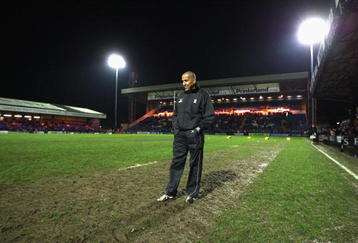
Part of the process of creating a rugby union team to represent the North West region has been in the development of a strong academy. Through their junior team The Jets (presumably named to go alongside The Sharks as a reference to West Side Story) , the club has developed many talented home-grown players, including; Steve Hanley, Mark Cueto, Dean Schofield, Chris Jones, Andy Titterrell and Charlie Hodgson as well as taking on Jason Robinson when he converted codes after leaving Wigan Rugby League Club. |
 |
Edgeley
Park Hardcastle Road Stockport Cheshire SK3 9DD Capacity: 10,641 |
Tel: 0161 286 8888 Fax: 0161 286 8900 Website Buy Merchandise Buy Tickets Ticket Hotline: 08444 994994 |
|||||||||||||||||||||||||||||||||||||||||||||||||||||||||||||||||||||||||||||||||||||||||||||||||||||||||||||||||||||||||||||||||||||||||||||||||||||||||||||||||||||||||||||||||||||||||||||||||||||||||||
  Saracens SaracensCoach: Brendan Venter Captain: Steve Borthwick Mascot: Sarrie the Camel based
in St. Albans – although they play their
home games at Vicarage Road, in Watford.
Saracens were founded in 1876 by the Old
Boys of the Philological School in
Marylebone, London (later to become St
Marylebone Grammar School). Saracens
amalgamated with neighbouring club
Crusaders two years later. In 1892
Saracens moved from Crown Lane,
Southgate, to Firs Farm, Winchmore Hill
then played on nine different grounds
before the move to Bramley Road for the
1939-40 season (although the war
actually prevented them from playing
there until 1945). They are currently
members of the Guinness Premiership, the
top level of domestic rugby union in
England. Now incorporated as Saracens
Ltd, the club was established in 1876 as
the Saracens Football Club.
|
 |
Vicarage
Road
Stadium Watford WD18 0EP Capacity: 18,214 |
Fax: 01923 475275 Website Buy Merchandise Buy Tickets Ticket Hotline: 01923 475222 |
|||||||||||||||||||||||||||||||||||||||||||||||||||||||||||||||||||||||||||||||||||||||||||||||||||||||||||||||||||||||||||||||||||||||||||||||||||||||||||||||||||||||||||||||||||||||||||||||||||||||||||
  Worcester
Warriors Worcester
WarriorsCoach: Mike Ruddock Captain: Pat Sanderson The
Worcester Rugby Football Club are an
English rugby union club and use the
nickname Warriors. They also compete in
the Anglo-Welsh EDF Energy Cup and the
European Rugby Cup competitions, as well
as this they participate in the Guinness
A League. The club's kit is made by
sports manufacturer Cotton Traders and
they are sponsored by npower.
The club was founded in 1871 by the Reverend Francis John Ede, with the first known game played against the Artillery on November 8th 1871. The club began playing at Bevere in Worcester in 1954 and left Bevere for Sixways in 1975 when the clubhouse was opened. They play at Sixways Stadium, and the team colours are blue and gold. Their nearest rivals are Gloucester and Bristol rugby clubs. |
 |
Sixways
Stadium Warriors Way Worcester WR3 8ZE Capacity: 12,024 |
Tel: 01905 454 183 Fax: 01905454183 Website Buy Merchandise Buy Tickets Ticket Hotline: 0870 990 5650 |
|||||||||||||||||||||||||||||||||||||||||||||||||||||||||||||||||||||||||||||||||||||||||||||||||||||||||||||||||||||||||||||||||||||||||||||||||||||||||||||||||||||||||||||||||||||||||||||||||||||||||||
|
||||||||||||||||||||||||||||||||||||||||||||||||||||||||||||||||||||||||||||||||||||||||||||||||||||||||||||||||||||||||||||||||||||||||||||||||||||||||||||||||||||||||||||||||||||||||||||||||||||||||||||||
 |
 |
 |
 |
| Scrumptous |
An
After Match Bevvy |
Tom Rees, Simon Shaw, Danny Cipriani and James Haskell have posed naked for a women's magazine | Canturbury
Ladies
Rugby
Club Calendar Girls 2007 |
 |
|
|
|
|
|
|
|
|
|
|
|
|
|
|
|
|
|
|
|
|
|
|
|
 It's enough to make England's World Cup heroes Martin Johnson and Jonny Wilkinson blush! A group of Cheshire women are appearing in a nude calendar to raise money for a cancer charity and Congleton Rugby Club. The calendar - Girls With Balls – was inspired by the recent British blockbuster movie Calendar Girls, and features the wives, mums and girlfriends of members of the Club wearing very little... but it's all in a good cause! The twenty-four ladies of Congleton, who get their kit off in the dressing rooms, on the pitch and behind the bar, hope to raise at least £10,000 from the calendar. Dawn Gibbins, a participant and a member of the calendar organising committee, said: " The enthusiasm and courage that the women had was just roaring. We got them to fill in a questionnaire to say what parts they would be happy to expose and then had a couple of brainstorming meetings. The days when we were shooting were absolutely fantastic, so much fun! " Raising
cash
for
good causes
The women were
keen to raise awareness of the rugby club and provide
some much needed funds, especially to invest in their
100 “Minis” - the young players that turn up to enjoy
rugby every Sunday. But the calendar will also raise
cash for the charity Against Breast Cancer, chosen for
its emphasis on prevention of the disease. Dawn added: “Quite a few of the ladies
had got connections with those who had suffered”. |
|||
 |
 |
 |
 |
|
or email : info@wessextouristboard.org.uk
|
||||||||||||||||||||||||||||||||||
|
or for our extensive coverage of Wessex & Mercia - Click on to the County of your choice for Attractions, Events, Tennis Clubs, Radio Stations, Sports, Theatre and much more |
| Berkshire(BRK) | Cheshire(CHS) | Cornwall(CON) | Derbyshire(DBY) | Devon(DEV) |
| Dorset(DOR) | Essex(ESS) | Gloucestershire(GLS) | Hampshire(HAM) | Herefordshire(HEF) |
| Kent(KEN) | Leicestershire(LEI) | London Tourist Guide | Middlesex(MDX) | Nottinghamshire(NTT) |
| Oxfordshire(OXF) | Shropshire(SAL) | Somerset(SOM) | Staffordshire(STS) | Surrey(SRY) |
| Sussex(SSX) | Wiltshire(WIL) | Worcestershire(WOR) | Bridgwater Tourist Guide | Chard Tourist Guide |
| Taunton Tourist Guide | Kosher | Football | Golf | Ice Skating |
| Rugby | Tennis | Horseracing |
Cricket | On The Beach |
| Camping | Theatre | Hotels | Guest Houses | Pantomimes |
| Pubs & Restaurants | Advertising |
Tourism Slide Show |
UK Information | Wessex Index |
| Equestrian | Fireworks |
Gardens of Wessex | Great British Diary | Rowing |
 |
 |
 |
 |
 |
 |
 |
 |
 |
 |
 |
 |
|
 |
|
||||||
A
or you can
call 0845 868 2810 or Fax: 0845 862 1954
|




 ,
,









 CORNISH
PIRATES
CORNISH
PIRATES


 ESHER
ESHER















